Missions and Activities
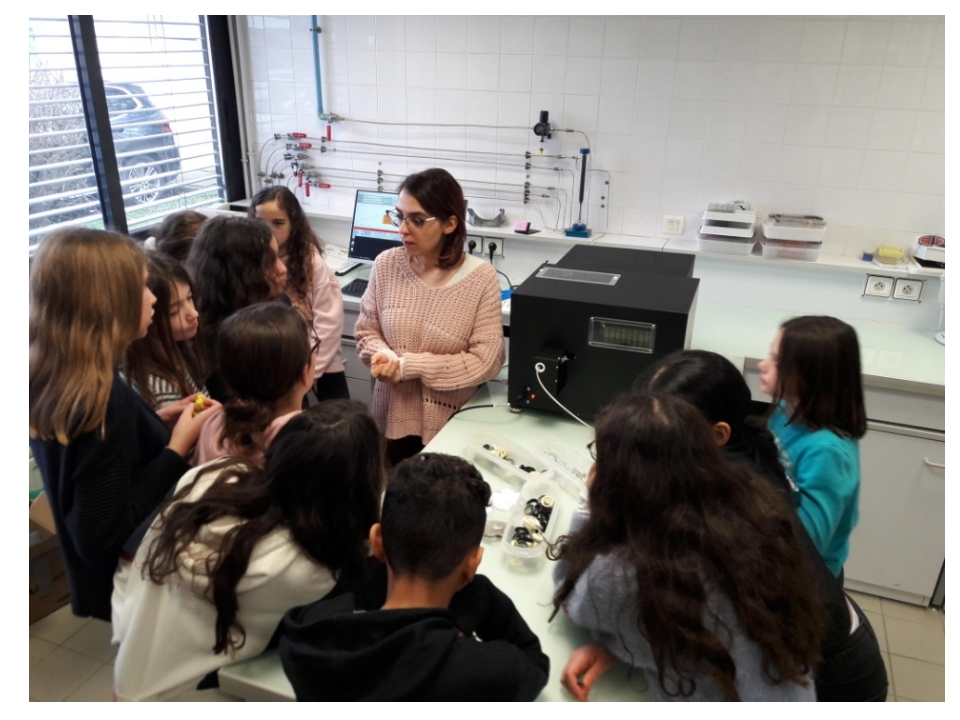
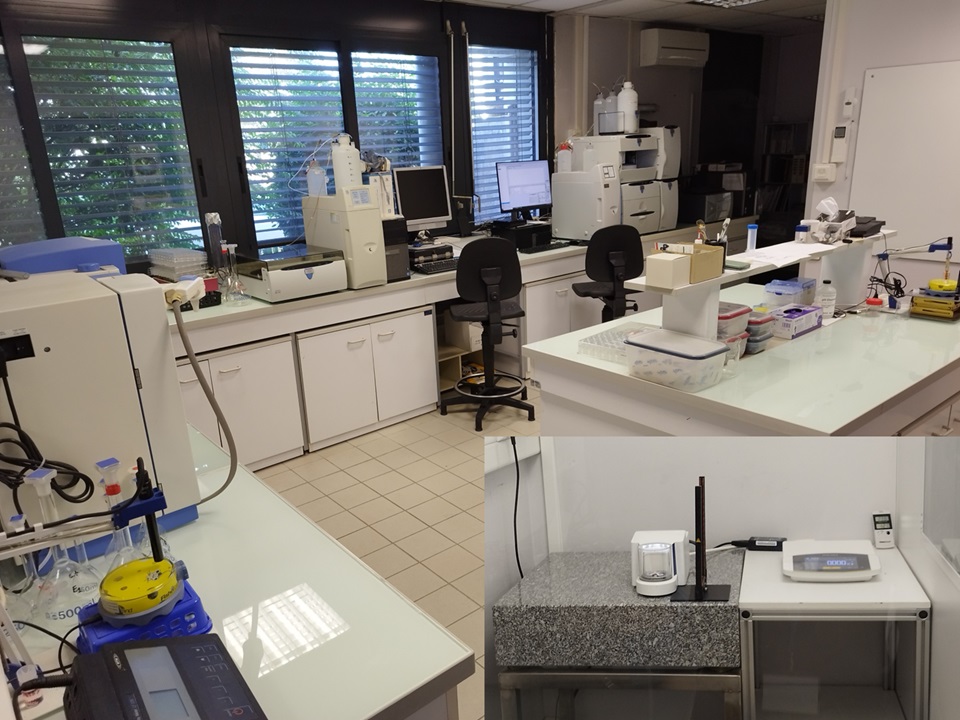
The Chemistry Service of the Laboratoire d’Aérologie (Laero) is dedicated to the preparation and analysis of liquid, gaseous and particulate environmental samples. The Chemistry Service also carries out gravimetric measurements on aerosol collection filters, pH and conductivity measurements on rainwater.
The Chemistry Service also manages the preparation of collection equipment (rain, aerosols) and the preparation of passive samples to measure the concentration of certain gases present in the atmosphere.
The Chemistry Service analyses more than 7000 samples every year. These samples are mainly collected within the framework of SNO INDAAF, which studies atmospheric deposition in tropical areas. The service processes also samples from other research programmers coordinated by our team or in collaboration with other laboratories.
Other long term observation service :
- SNO CLAP : Pic du Midi – France
Actual projects (since 2020)
- DIAGNOSE : Specific territorial diagnosis in the case of the Orbiel river basin
- INSA : Integrated Nitrogen Studies in Africa
- AirGeo : Air, Earth and Bark
- APIMAMA : Air Pollution Mitigation Actions for Megacities in Africa
- NITROAFRICA : Nitrogen study in West Africa
Old projects (before 2020)
- PASMU : Air Pollution and Health in Urban Areas of Côte d’Ivoire
- DACCIWA : Dynamics Aerosol Chemistry Cloud Interactions in West Africa
- EADN : Equatorial Africa Deposition Network
- CAPITOUL (Météo France)
- AMMA : Multidisciplinary analysis of the African monsoon
- POLCA : Study of pollution in African capitals
- NanoEnvi
- CALISPH’AIR (CNES)
Main equipments :
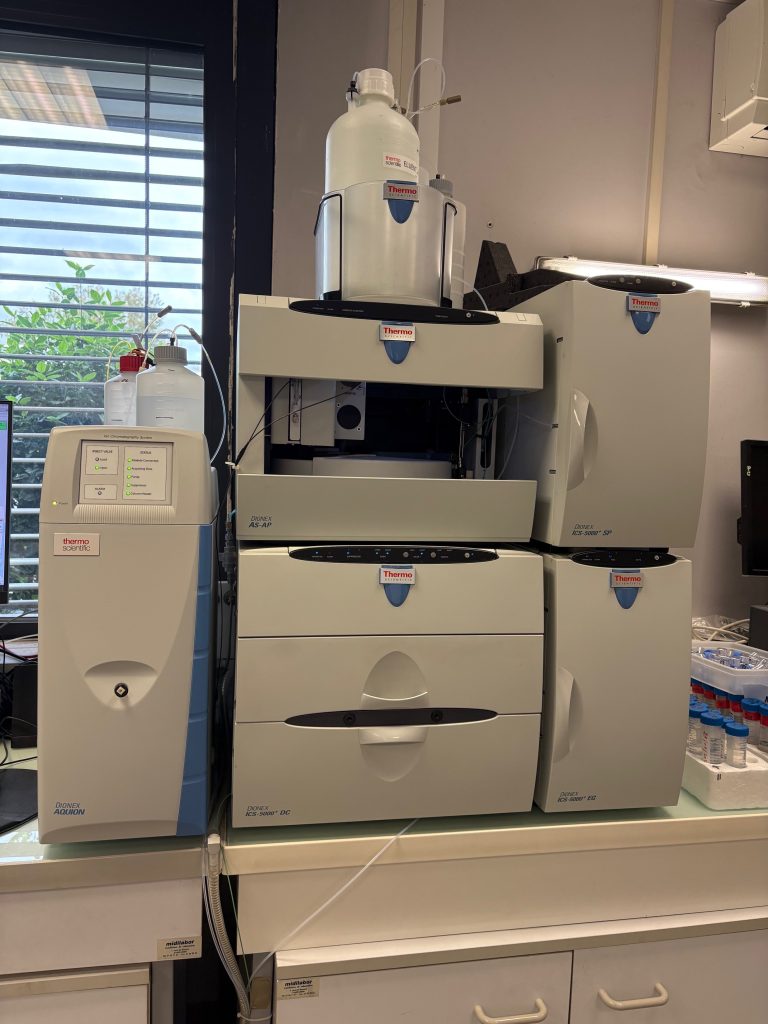
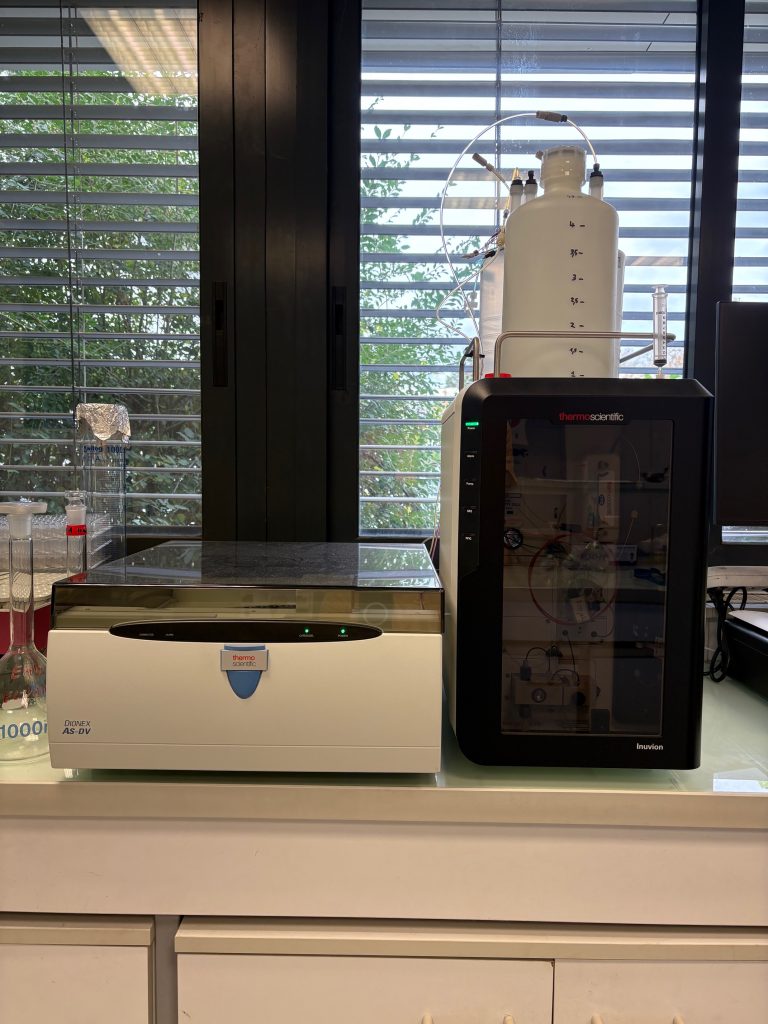
Ion Chromatography (IC) is an analytical technique based on the separation of ions using an ion-exchange column, which is positively charged for anion separation and negatively charged for cation separation.
IC analyses are mainly performed on three types of INDAAF samples :
- Rainwater samples, to determine the chemical composition of precipitation (major inorganic and organic ions) ;
- Impregnated filters collected by passive samplers, used to quantify atmospheric gas concentrations, including SO₂, NH₃, NO₂, HNO₃, and O₃ ;
- Teflon aerosol filters, to determine the water-soluble mineral and organic fractions of aerosols collected on these filters.
The Chemistry Service is equipped with :
- Three THERMO DIONEX ion chromatographs : INUVION, AQUION and ICS5000+ ;
- Chromeleon™ THERMO DIONEX software for data acquisition and reprocessing ;
- THERMO DIONEX automatic sample loaders.
Analytical protocols :
| Devices (Operating Software) | Analysed Species | Columns (4mm) (Duration of analysis) | Suppression | Eluent composition (Flow) |
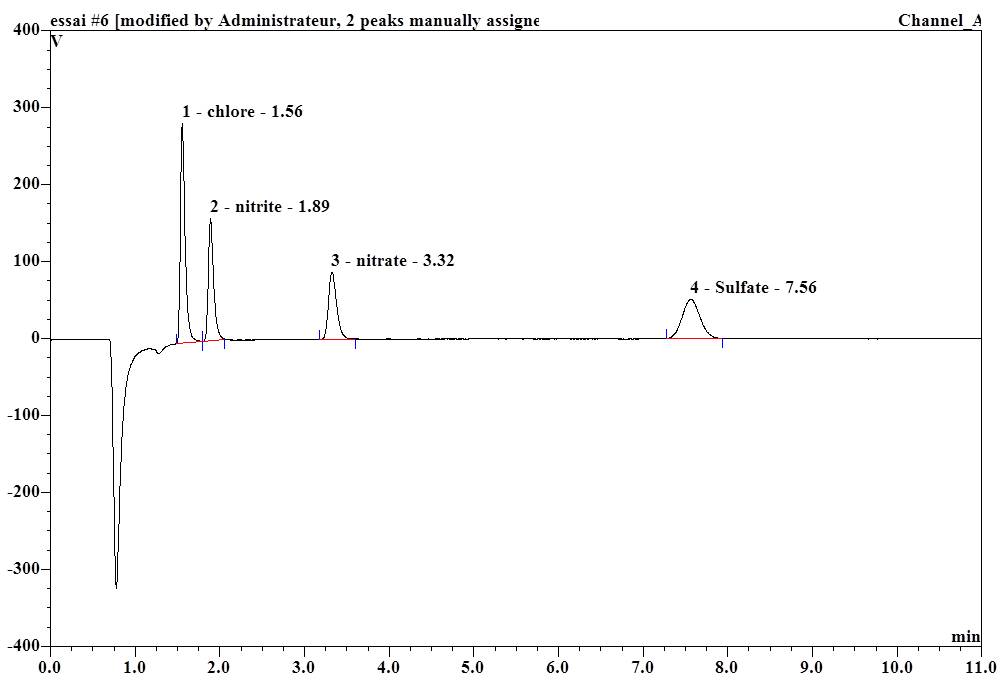
| DIONEX INUVION +Sample charger ASDV (Chromeleon 7.3.2) | Anions : F–, Cl–, NO2–, NO3–, SO42-, PO43- | Ion Exchange AG4A-SC + AS4A-SC (9 mn) | Self-suppression DIONEX ADRS 600 | Isocratic mode (1.8 mM Na2CO3/1.7 mM NaHCO3) (2 mL/mn) |
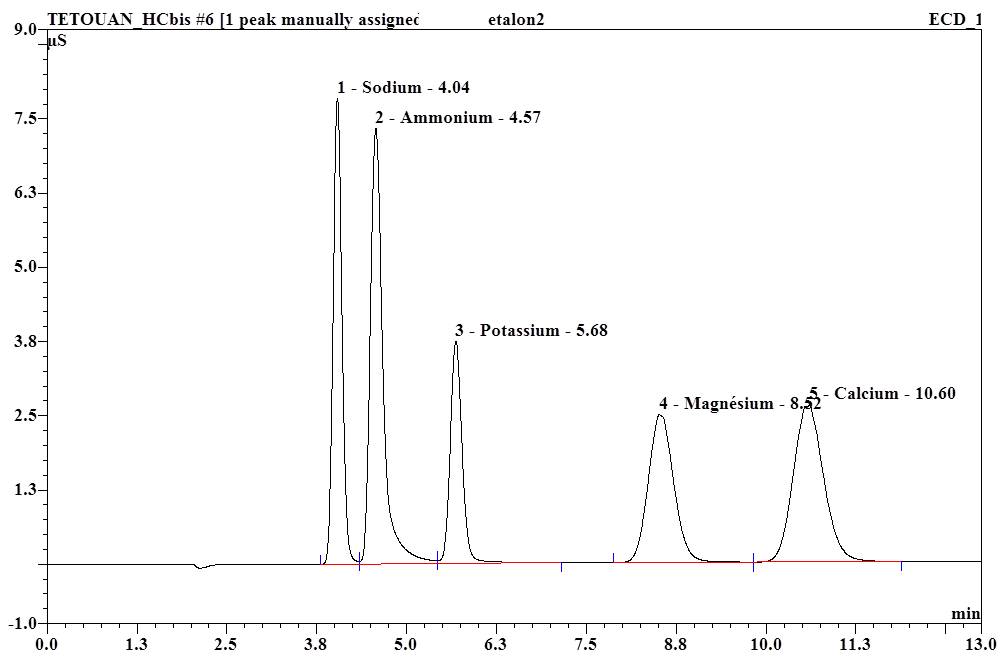
| DIONEX AQUION +Sample charger ASAP (Chromeleon 7.2.10ES) | Cations : Na+, NH4+, K+, Mg2+, Ca2+ | Ion Exchange CG12A + CS12A (14 mn) | Self-suppression DIONEX CERS 500 | Isocratic mode 20 mM CH3SO3H (MSA) (1 mL/mn) |
| DIONEX ICS 5000+ +Sample charger ASAP (Chromeleon 7.2.10ES) | Acids and anions: Acetic, Propionic, Formal and Oxalic, Cl–, NO3–NO2–, SO42-, PO43- | Ion Exchange AG11 + AS11 (19 mn) | Self-suppression DIONEX ADRS 600 | Gradient mode KOH 0,7 mM (11 mn) KOH 7 mM (8mn) (1 mL/mn) |
| DIONEX ICS 5000+ +Sample charger ASAP (Chromeleon 7.2.10ES) | Carbonates | Ion Exclusion ICE-AS1 (15 mn) | Without | Isocratic mode 100 % H2O (1 mL/mn) |
Calibration :
Calibration is performed by diluting single-element standards (1000 ppm) in type 1 ultrapure water (three-point calibration curves forced to zero with an r2 > 0.99).
Chromatograms :
Quality Control :
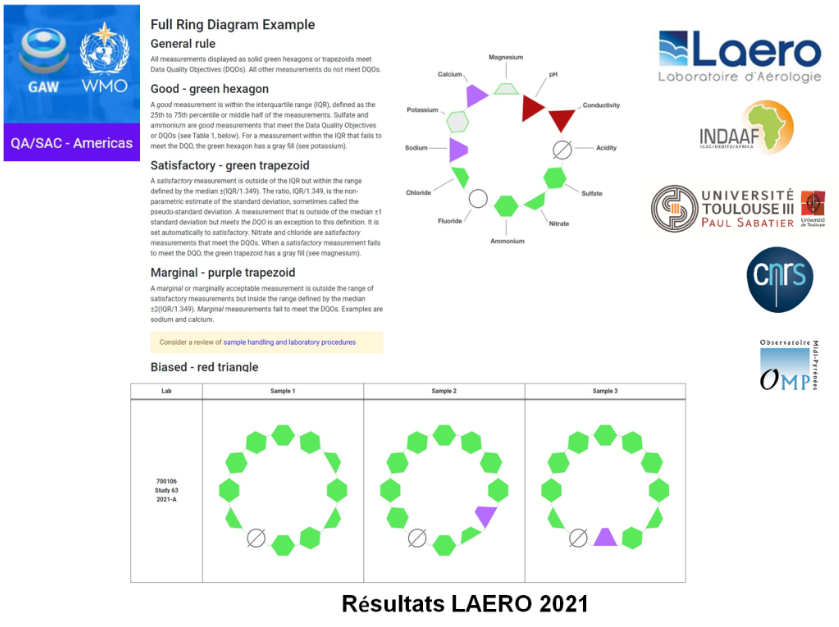
The Chemistry Service of the Laboratoire d’Aérologie (LAERO) in Toulouse (France) participates twice a year since 1996 to the intercomparison analytical programme of the World Meteorological Organization (WMO) Global Atmospheric Watch (WMO/GAW) programme. This intercomparison exercise is operated by the Quality Assurance/Science Activity Centre (QA/SAC).
All ion chromatography analyses, pH and conductivity measurements carried out at the LAERO are evaluated through the WMO-GAW intercomparison studies. Results are available at https://qasac-americas.org/study-results (LAERO is referenced 700106).
Analytical precision of the LAERO is:
- 5% or better for mineral ions ;
- 0.6% for pH ;
- 2% for conductivity.
Contact : Eric GARDRAT – eric.gardrat@utoulouse.fr
Thermo-optical analysis is a reference method for quantifying organic carbon (OC) and elemental carbon (EC) in atmospheric particles collected on quartz fiber filters. In Europe, the most widely used and recognized analytical protocol is EUSAAR-2.
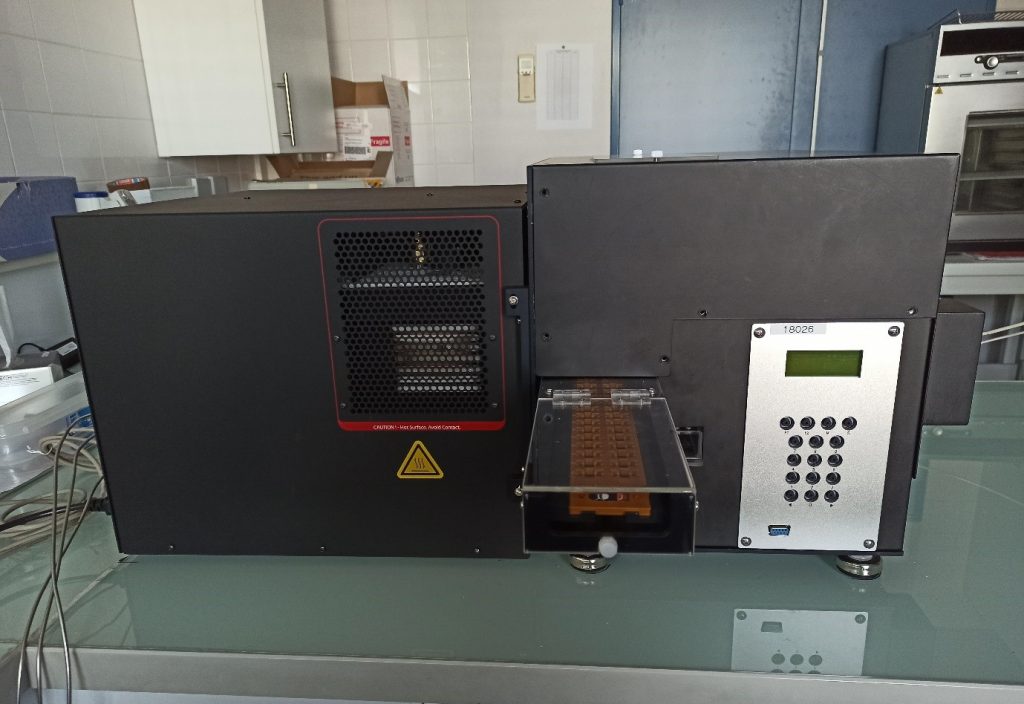
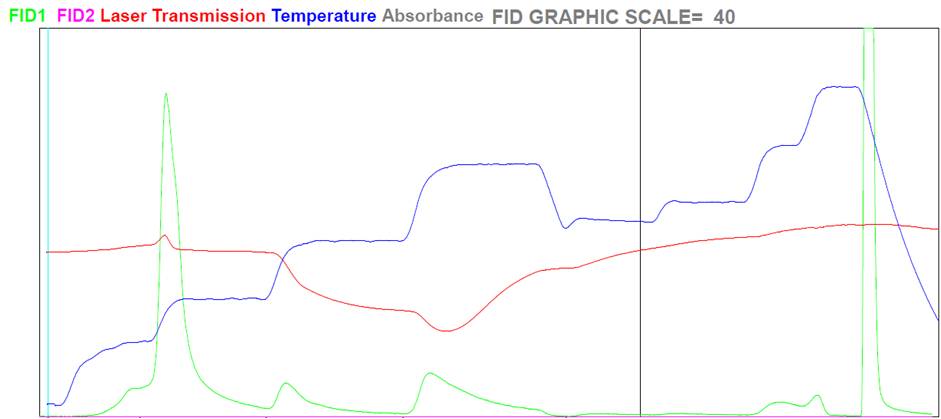
Once the system is sealed and pressurized, the oven is purged with helium to remove ambient air. A stepped temperature ramp is then applied, increasing the oven temperature up to 650 °C, which thermally desorbed organic compounds from the filter. The evolved carbon is oxidized to CO₂ in a manganese dioxide (MnO₂) oxidizing oven and quantified using a non-dispersive infrared (NDIR) detector. After this step, the oven temperature is reduced to 500 °C.
At the end of this first stage, the carbon remaining on the filter consists of elemental carbon (EC) and pyrolyzed carbon (OCpyro), formed through the carbonization of high-molecular-weight organic compounds or natural materials.
The carrier gas is then switched to a mixture of helium with 2% oxygen, and a second temperature ramp is applied to oxidize the remaining EC on the filter. The resulting CO₂ is again detected by NDIR.
The sum of the measured OC and EC fractions corresponds to the total carbon (TC) content of the sample. The optical signal is used to correct for pyrolysis and to discriminate between OC and EC fractions.
Intercomparison :
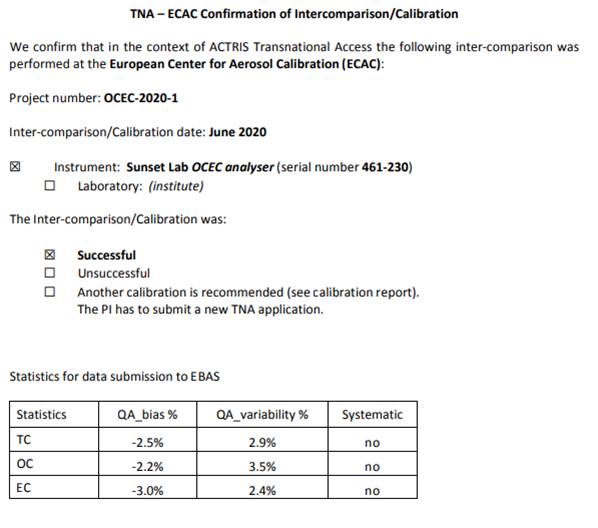
The LAERO’s Chemistry Service participates since 2019 to the ACTRIS-ECAC (Aerosol Cloud Trace gases Research Infrastructure -European center for Aerosol calibration) intercomparison program (EUSAAR-2 method, thermo-optical method, sunset instrument).
Thermogram :
Contact : Maria DIAS ALVES – maria.dias-alves@cnrs.fr
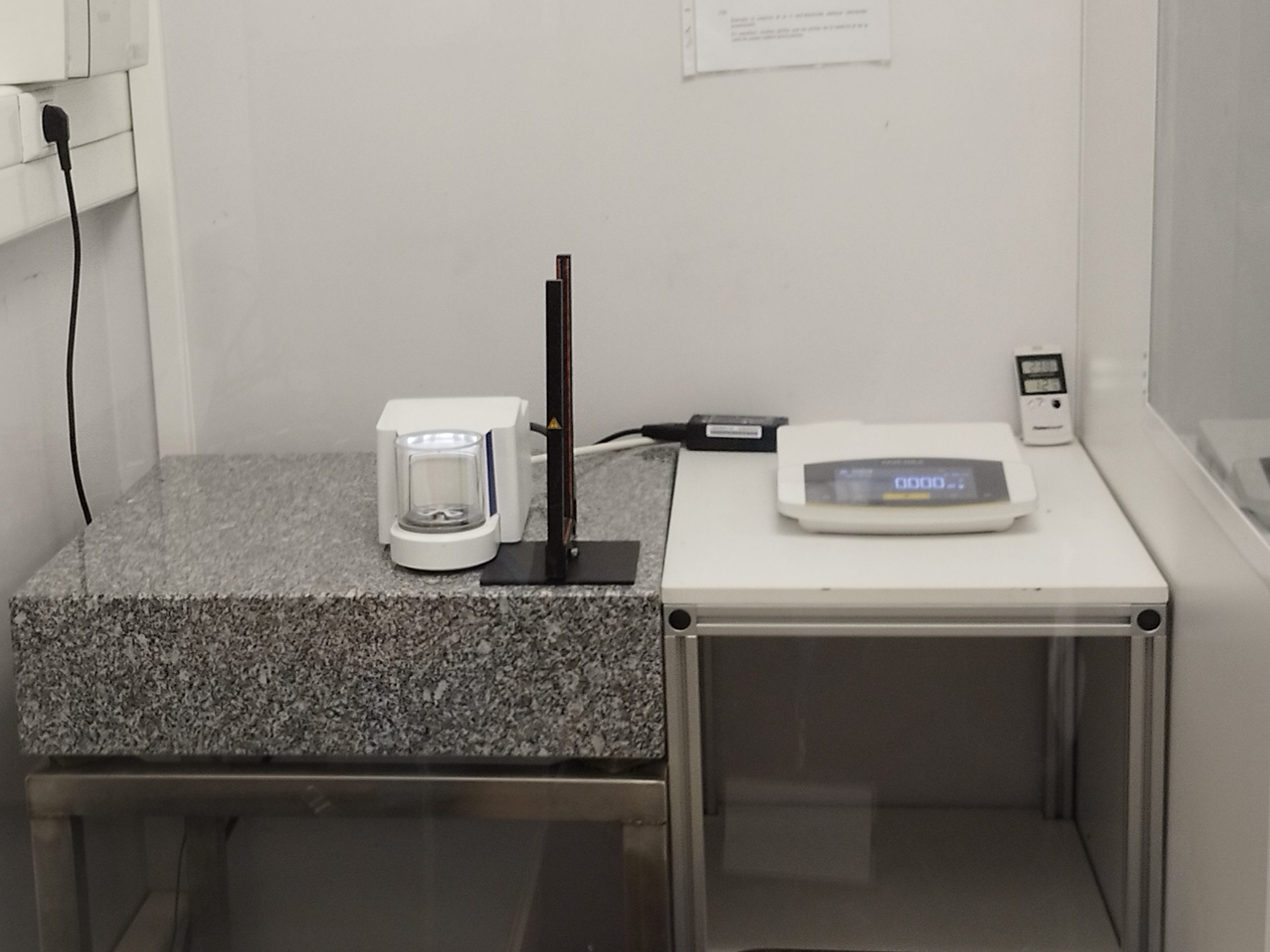
The Chemistry Service has a SARTORIUS MCE3.6P-2S00-M microbalance specifically designed for weighing filters, equipped with a special tray adapted to this application. The measurement environment is conditioned.
Weighing Teflon or quartz filters before and after collection allows the mass of aerosols collected to be determined in order to establish a chemical mass closure using various analytical techniques applied to the sample.
Balance specifications :
- MCE3,6P-2S00-M model from SARTORIUS ;
- Equipped with a METTLER TOLEDO static electricity generator ;
- Maximum weight : Max1=3100 mg / Max2=2100 mg / Max3=1100 mg ;
- Resolution based on maximum weight : d1=0,005 mg / d2=0,002 mg / d3=0,001 mg ;
- Measuring accuracy of ± 5µg.
Contact : Eric GARDRAT – eric.gardrat@utoulouse.fr
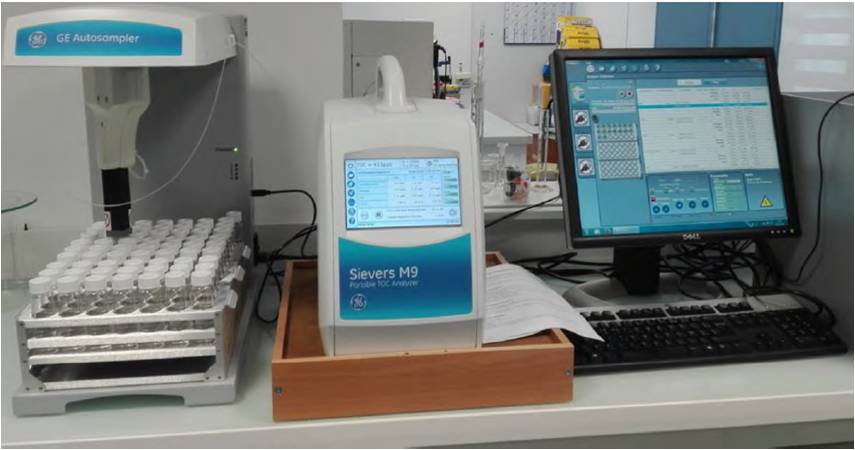
The dissolved carbon analyser allows the determination of inorganic carbon (IC) and soluble organic carbon (WSOC).
The method used is based on the chemical oxidation of the sample and the detection of the CO2 generated at the end of the chain. Organic compounds are oxidized to form CO2 using UV radiation and a chemical oxidizing agent (ammonium persulfate). The CO2 is measured using a conductometric detection method after passing through selective membranes.
Contact : Maria DIAS ALVES – maria.dias-alves@cnrs.fr
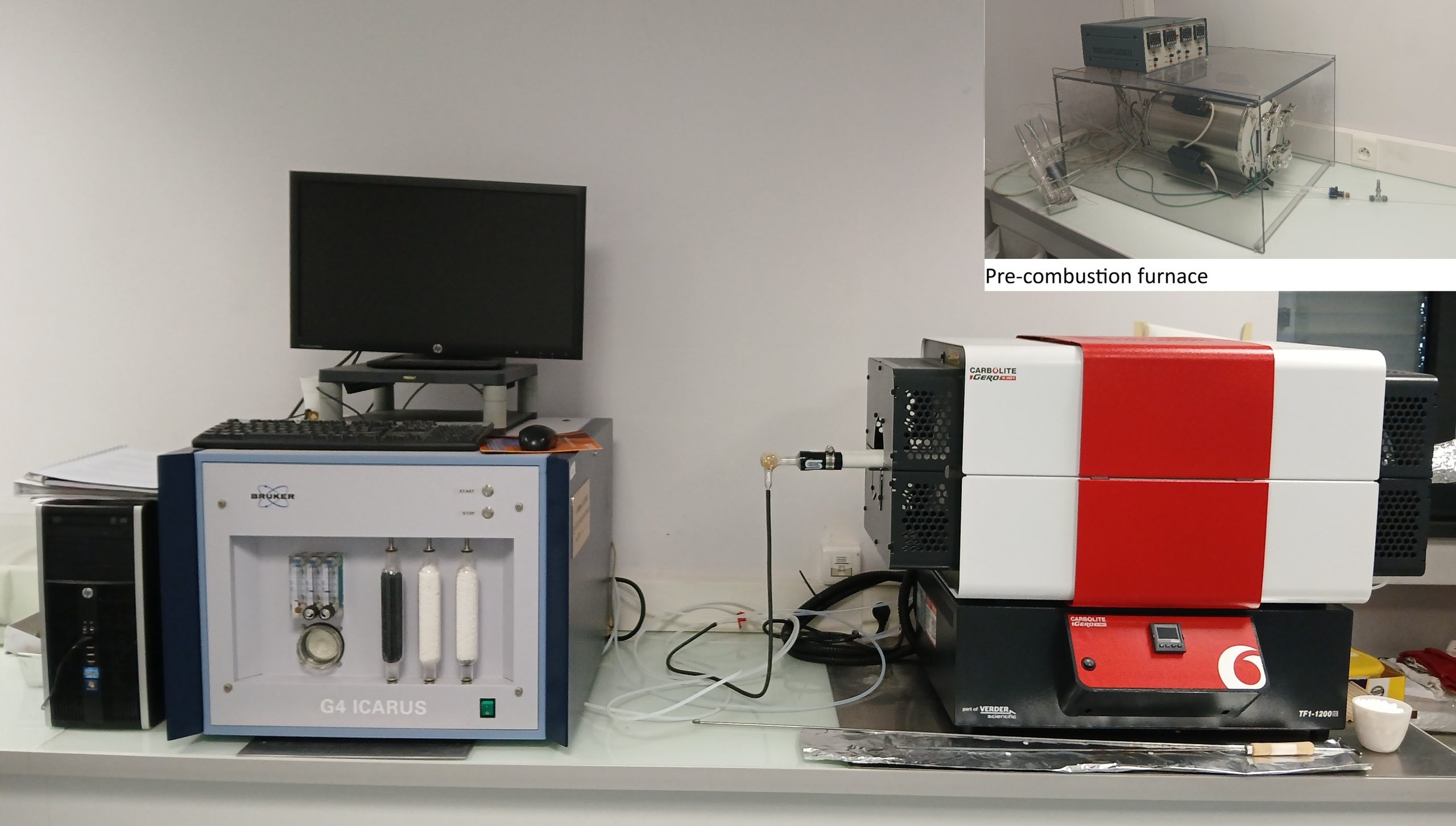
This method measures total carbon (TC=BC+OC) and black carbon (BC) on sampled quartz filter portions. The filter used for TC analysis is analyzed directly, while the filter used for BC analysis is first subjected to a pre-combustion step at 340°C for 2 hours under an oxygen flow in order to eliminate the organic carbon (OC). The samples are placed in an oven at 1000°C under an oxygen flow, and the carbon content is analyzed by infrared measurement of the CO2 formed.
Responsable : Océane LENOIR – oceane.lenoir@ird.fr
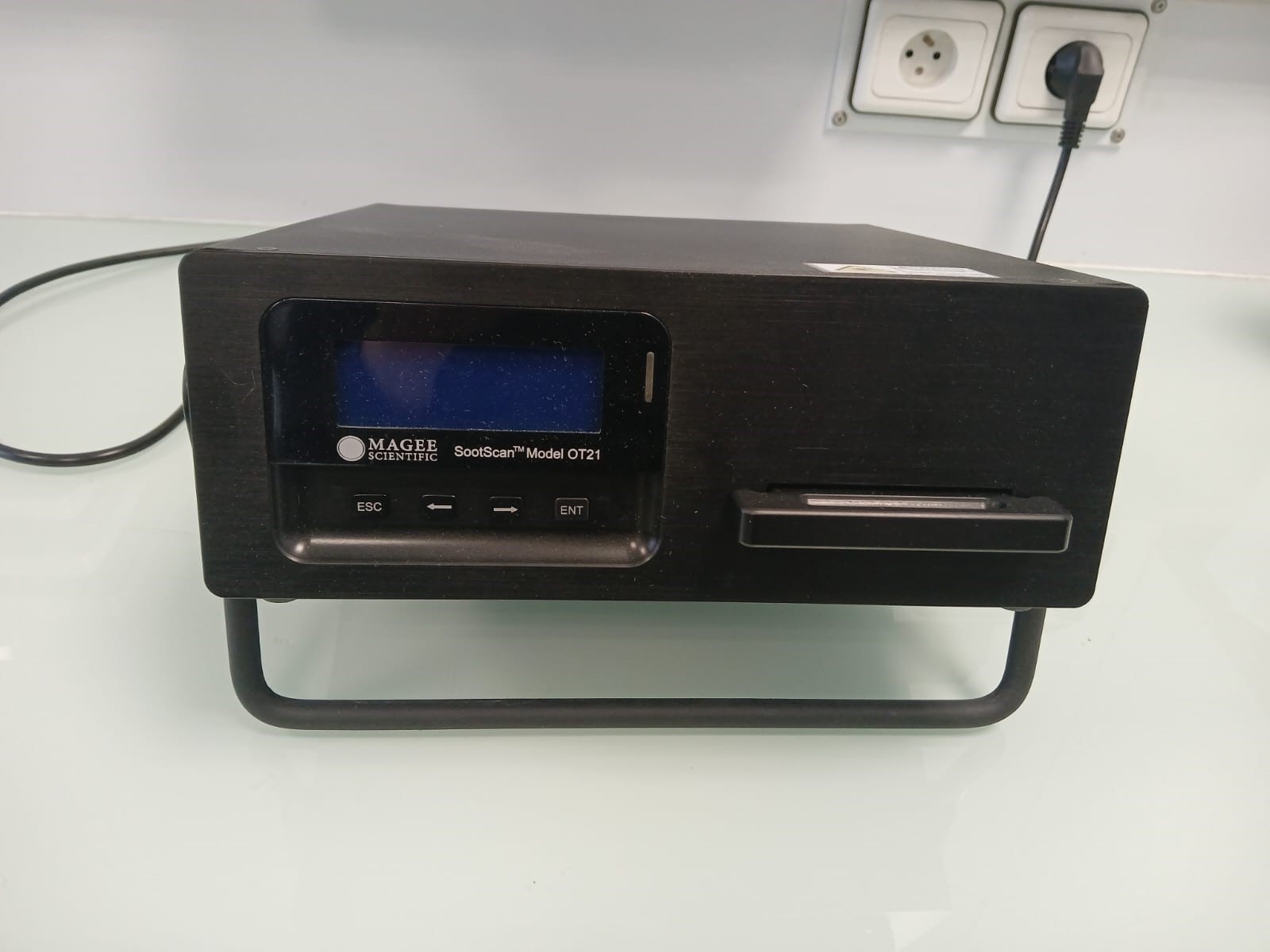
The SootScan OT21 Optical Transmissometer can analyze aerosol samples quickly and easily to determine optical attenuation, and black carbon (BC) mass results. The analysis is performed at two wavelengths: 880 nm, definitive for black carbon (BC); and 370 nm, where enhanced optical absorption may indicate the presence of brown carbon (BrC) aerosol derived from biomass combustion.
The analysis is non-contact, non-contaminating, and non-destructive. It allows the use of other types of filters such as Teflon or fibreglass filters, which are not compatible with other carbon analysers.
Contact : Maria DIAS ALVES – maria.dias-alves@cnrs.fr
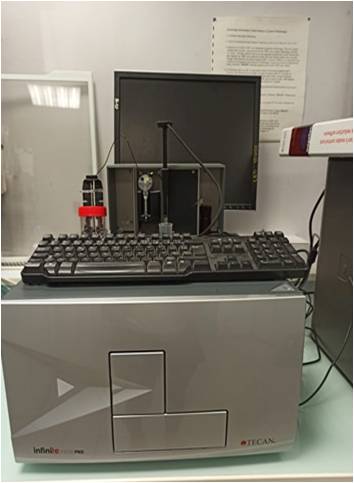
The device used in the service is a TECAN Infinite F200 PRO microplate reader with the following technologies :
- Reading capacity from 6 to 384 wells ;
- Fluorescence: intensity, time-resolved, polarised fluorescence, FRET ;
- Absorbance (UV) ;
- Luminescence (BRET, Flash and Glow).
This device is used to measure the oxidative potential of aerosols by measuring absorbance in the UV using target compounds such as DTT (Dithiothreitol).
Contact : Eric GARDRAT – eric.gardrat@utoulouse.fr
Other equipments :
► Balance – SARTORIUS Secura 313-15
► Conductivity meter – WTW LF 538
► Furnace 450°C – Nabertherm
► Heat chamber – MEMMERT
► Muffle furnace 1100°C – Thermolyne F48000
► pH-meter – ATI Orion model 350
► Ultrapure water system – Veolia
Chemical team :

DIAS ALVES Maria

GALY-LACAUX Corinne
GARDRAT Eric

LENOIR Océane